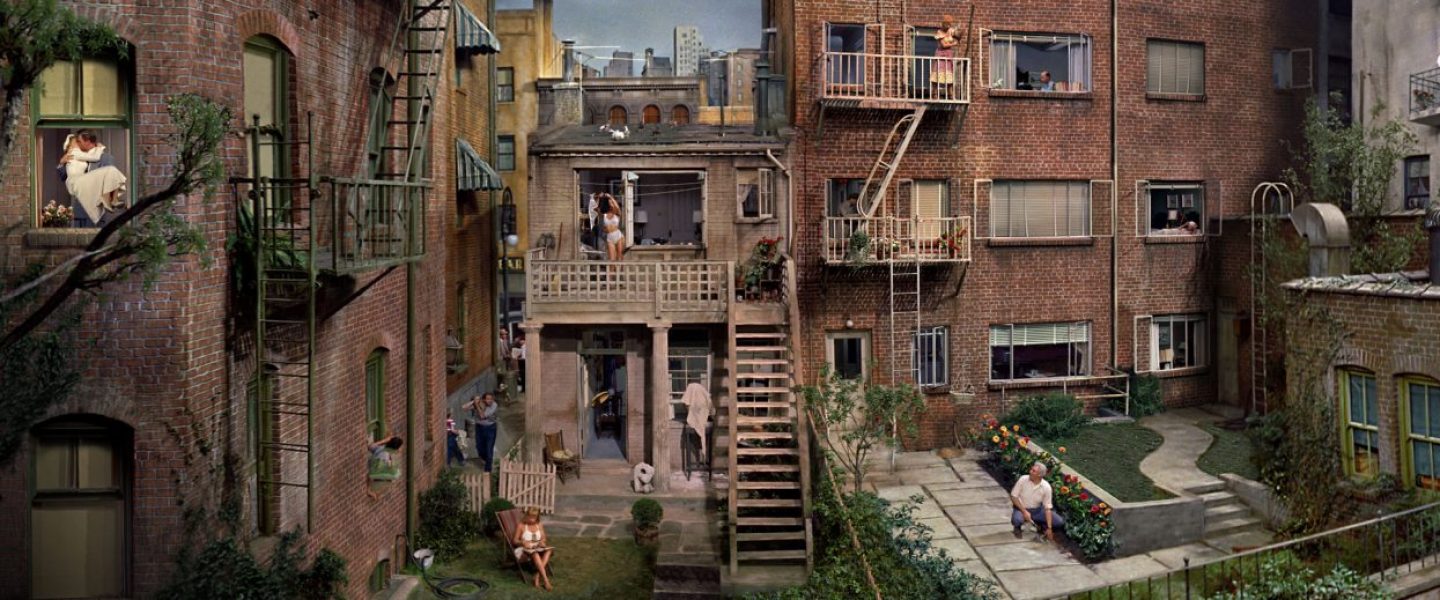
Antonio, M. (1975) The Passenger. Vera, Almeria. Metro-Goldwyn-Mayer. Hitchcock, A. (1954) Rear Window. New York City: Patron Inc. Hitchcock, A. (1960) Physco. Hollywood: Paramount. Hitchcock, A. (1963) The Birds. San Francisco: Alfred J. Hitchcock Productions. Hitchcock, A. (1948) Rope. California: Warner Bros. Pictures. Hitchcock, A. (1958) Vertigo. San Francisco: Alfred J. Hitchcock Productions. Hitchcock, A. (1959) North by … Continue reading FILMOGRAPHY
Category: Uncategorised
REBECCA (1940)
QUENTIN TARANTINO
"DIRTY REALISM" With only 8 films to his name, Quentin Tarantino still falls under the umbrella of iconic directors. His hyperreality approach to film making makes him stand out from the crowd; there is no sugar coating anything. His mundane and somewhat plain sets, set the scene for realistic story telling that is reflective of … Continue reading QUENTIN TARANTINO
Has cinema architecture, freed from the constraints of practical functions, constructive technology and costs, gained some artistic advantage over the actual architectural designs of these architects of these remarkable buildings? - Juhani Pallasmaa quoted in https://www.archdaily.com/872754/how-architecture-speaks-through-cinema
WES ANDERSON
Although far from Alfred Hitchcock's moody thriller films, Wes Anderson employs some of the same techniques to create different and profound atmospheres in his films. Reluctant to move away from his distinctive style which he has perfected over the years, the ability to recognise his work immediately lets the audience know the kind of style the … Continue reading WES ANDERSON
"It is undeniable that the cinema has a marked influence on modern architecture; in turn, modern architecture brings its artistic side to the cinema.... Modern architecture not only serves the cinematographic set [decor], but imprints its stamp on the staging [mise-en-scene], it breaks out of its frame; architecture 'acts.’” - Robert Mallet-Stevens
ARCHITECTURE’S LINK TO CINEMA & PHENOMENOLOGY
In order to create desired atmospheres in spaces, it is vital that we, as architects, understand how specific architectural motifs or layouts contribute to human emotion and influence different senses. The thought process behind the design of spaces within buildings is no different to how directors present film sets to an audience; the ambition of … Continue reading ARCHITECTURE’S LINK TO CINEMA & PHENOMENOLOGY
ALFRED HITCHCOCK
Alfred Hitchcock has often been described as the 'Architect of Cinema' and with good reason. His extensive portfolio of classic films are all able to inflict different emotions to audiences and create desired atmospheres of their respective plots. There is no doubt that his background in set construction enabled him to imagine and construct the … Continue reading ALFRED HITCHCOCK
 Architecture as Cinematography Clues